Global Port Coverage
We operate across 400+ ports globally, ensuring consistent access and delivery.
In the marine industry, moving ship spares from point A to point B isn't as simple as booking a courier. Every delivery is a race against time, complicated by unpredictable routes, customs formalities, and the realities of operating in multiple ports across the world.
At Peters Worldwide, we've seen — and solved — these challenges countless times. Here are the five biggest obstacles in ship spares logistics and how we help overcome them.
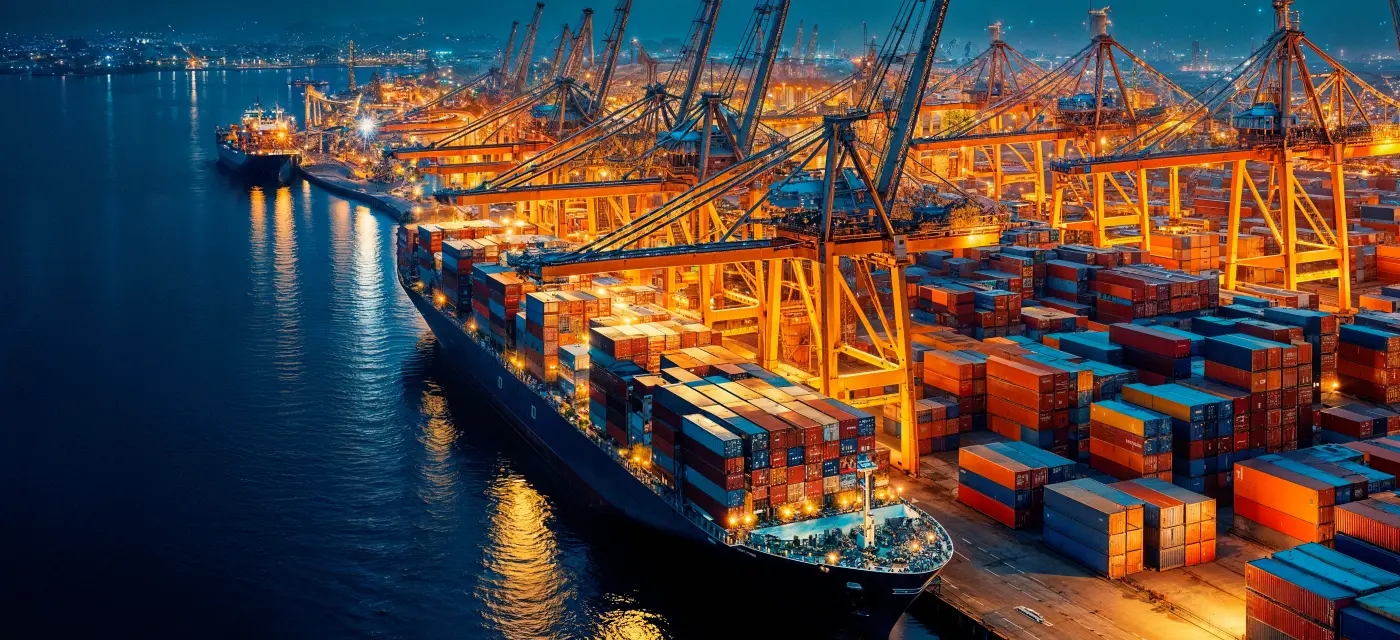
The problem: Vessels don’t wait. If your spare part doesn’t arrive before the ship departs, you might be looking at costly re-routing or missed operations.
Our solution: We track vessel schedules in real time and align shipments to the exact ETA — not just the calendar date. Our Onboard Courier (OBC) service puts a logistics professional on a plane within hours to hand-deliver critical parts to the vessel.
The problem: Every port has its own regulations, and even the smallest documentation error can cause delays.
Our solution: We pre-clear shipments through our network of experienced customs brokers, ensuring that paperwork and port procedures are handled before your cargo arrives. This means fewer hold-ups and faster delivery.
The problem: Spare parts sometimes include chemicals, batteries, or other IMDG-class dangerous goods — and many carriers won’t touch them without proper compliance.
Our solution: Our team is fully trained in IMDG regulations. We ensure hazardous cargo is packaged, labelled, and documented correctly, and we work only with DG-certified carriers.
The problem: Parts might be coming from three different OEMs and need to reach a vessel docking in a remote port — all within a narrow timeframe.
Our solution: We use our strategically located warehouses for consolidation, repacking, and synchronized shipment. This saves costs and reduces customs complexity.
The problem: Bad weather, port congestion, or vessel schedule changes can throw delivery plans into chaos.
Our solution: We build flexibility into every shipment plan, with backup routes and carriers ready. If a port closes, we re-route your cargo — sometimes mid-transit — so it reaches the vessel’s next available port.
In ship spares logistics, the difference between “delivered” and “delayed” often comes down to preparation and partnerships. At Peters Worldwide, we combine real-time tracking, global expertise, and a personal commitment to keep your vessels moving.
When a vessel is waiting for a critical spare part, every hour counts. Traditional shipping methods might get your cargo to the port — but what about the final, crucial step: getting it onto the vessel’s deck, wherever it’s berthed?
At Peters Worldwide, we call this Door-to-Deck Delivery — and it’s the difference between a vessel resuming operations on time or facing costly delays.

The challenge: Many logistics providers stop at “port delivery.” The part arrives in the city, but then it’s handed off to third-party agents, each with their own timelines and priorities. That’s where delays creep in.
Our approach: We manage the entire journey, from collection at the supplier’s warehouse to placing the part directly in the hands of the Chief Engineer on deck. One chain of custody. One accountable partner.
The problem: Every port has its own regulations, and even the smallest documentation error can cause delays.
Our solution: We pre-clear shipments through our network of experienced customs brokers, ensuring that paperwork and port procedures are handled before your cargo arrives. This means fewer hold-ups and faster delivery.
We pre-clear all customs and port documentation, so there’s no waiting at the pier. Our delivery team is already equipped with the right passes, clearances, and safety gear to board the vessel the moment we arrive.
Every extra day in port costs money — in berthing fees, fuel, and lost charter opportunities. Door-to-Deck delivery means:
Your cargo doesn’t just need to reach a port. It needs to reach your vessel’s deck, on time, every time. That’s what Peters Worldwide delivers — not just logistics, but uptime.
Shipping hazardous cargo is not just about moving goods; it’s about protecting lives, vessels, and the environment. One wrong label, one missing document, and your shipment could be delayed — or worse, rejected.
At Peters Worldwide, we’ve spent years moving IMDG-class cargo safely and efficiently for ship owners, OEMs, and marine suppliers. Here’s our compliance checklist to ensure your hazardous cargo moves without hiccups.

The challenge: Hazardous cargo ranges from lithium batteries to flammable chemicals — and each has its own IMDG code. Misclassification is a common reason for shipment delays.
Our solution: We verify the correct UN number, hazard class, and packaging group before booking the shipment. No guesswork — just accurate, compliant documentation.
The challenge: Hazardous cargo must be packaged in UN-certified containers, drums, or boxes that meet safety standards. Many shippers cut corners here, risking rejection.
Our solution: We work with certified packaging providers and inspect all containers before loading. This ensures your cargo passes any inspection at origin or destination.
The challenge: Incorrect or missing hazard labels can stop a shipment at the port gate.
Our solution: Our DG-trained team applies the correct hazard labels, handling marks, and orientation arrows — exactly as per IMDG requirements — before the cargo leaves our facility.
The challenge: Dangerous Goods Declarations (DGD) must be precise. Any mismatch between documents and physical cargo can cause customs delays or fines.
Our solution: We prepare and cross-check every DGD, Material Safety Data Sheet (MSDS), and transport document. Our pre-clearance process means customs already have the right paperwork before cargo arrival.
Compliance isn’t a box-ticking exercise — it’s the foundation of safe, on-time hazardous cargo delivery. At Peters Worldwide, our DG expertise keeps your cargo moving while keeping you fully compliant with international regulations.
In marine logistics, spare parts often come from multiple suppliers, spread across different countries. Shipping each one separately may seem faster — but in reality, it can be costly, inefficient, and time-consuming.
At Peters Worldwide, we help ship owners, managers, and OEMs save significant money through strategic consolidation reviews. Here’s how it works — and why it matters.
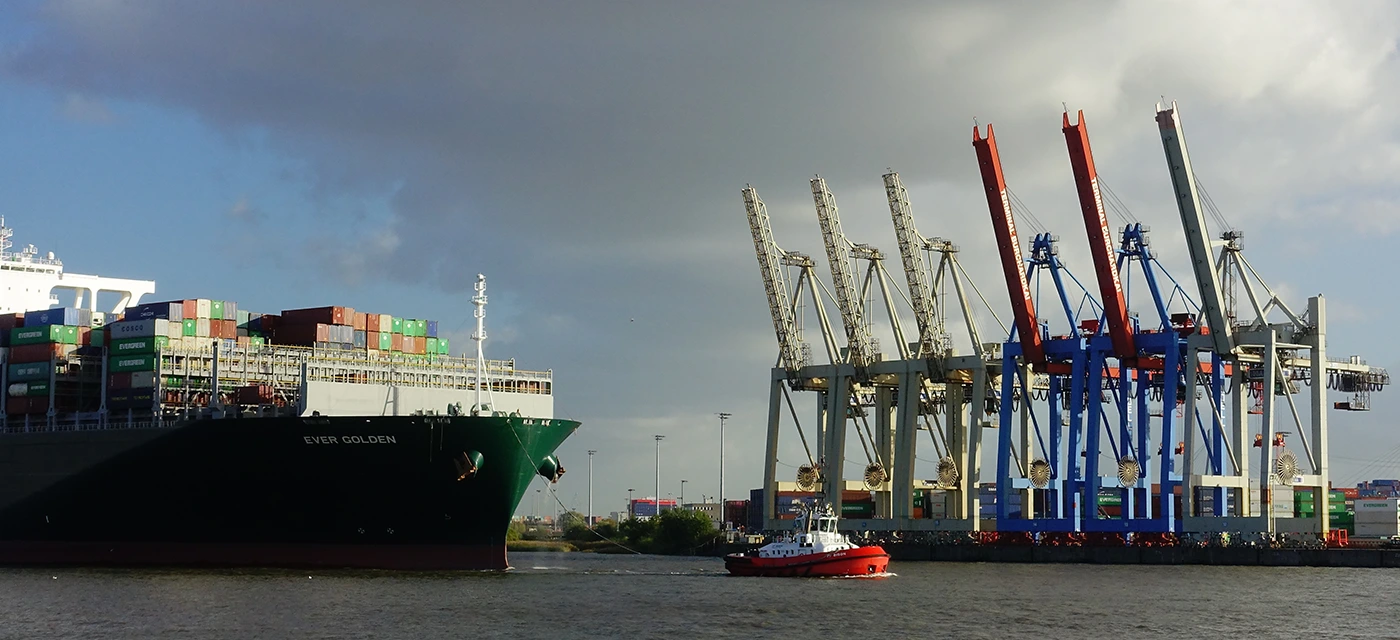
We don’t just “combine shipments” — we review your supply chain to identify:
Our consolidation hubs ensure that everything leaves as one optimised shipment.
A client sourcing spares from five OEMs in Europe used to ship each consignment separately. After switching to our consolidation service in Rotterdam, their freight costs dropped by 28% and average delivery time to vessel reduced by 3 days.
Consolidation isn’t just about packing boxes together — it’s about planning smarter logistics. Peters Worldwide ensures you save on costs while keeping your vessels stocked and schedules intact.
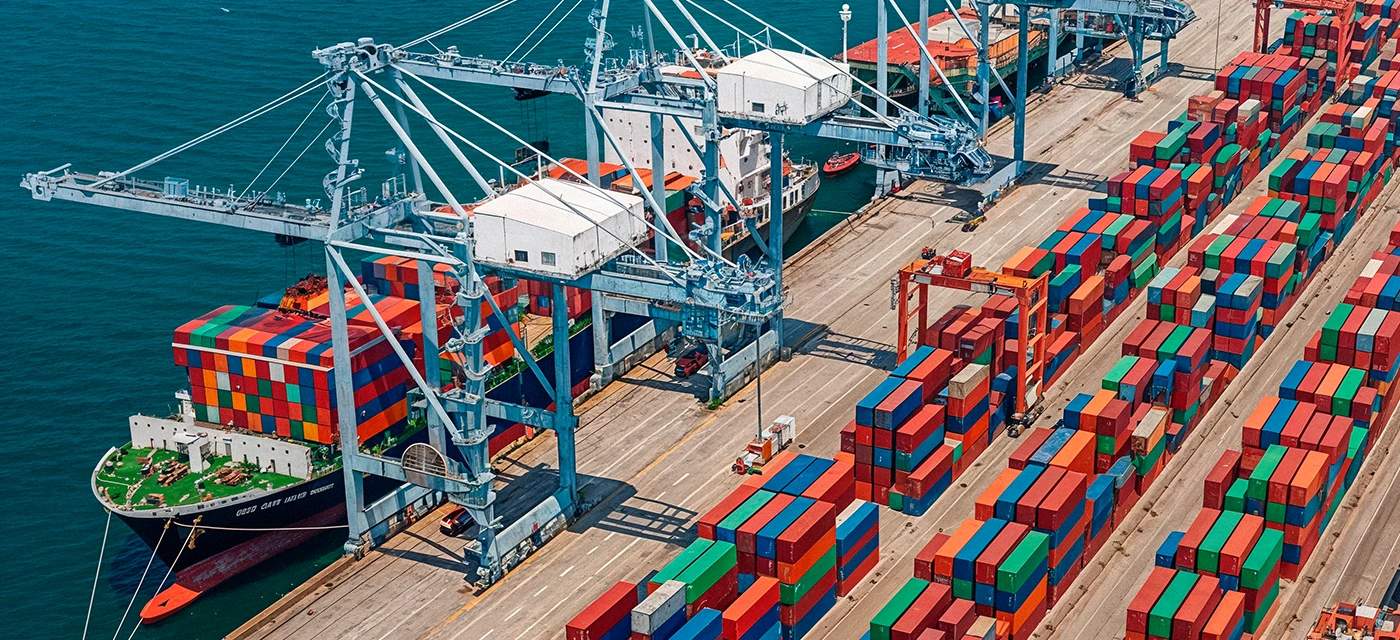
When it comes to delivering ship spares, the port you choose can make all the difference in speed, cost, and reliability. Two of the busiest transshipment hubs for marine logistics in Asia and the Middle East are Port of Singapore and Port of Fujairah.
Both play a vital role in global shipping — but which one works better for your spare parts deliveries? Let’s break it down.
Pros:
Cons:
Pros:
Cons:
Both ports have their strengths. At Peters Worldwide, we help you decide based on vessel schedule, part urgency, and budget — ensuring your ship spares get from door to deck with zero delays.
When a vessel is delayed, every minute counts. Peters Worldwide Private Limited ensures your critical parts reach the vessel without delay, reducing downtime and costs. Our door-to-deck service covers collection, consolidation, customs, and final on-board delivery — supported by a global partner network.


We operate across 400+ ports globally, ensuring consistent access and delivery.


Time-critical shipments? We act immediately to minimize vessel downtime.

Decades of experience in marine spares, hazardous cargo, and project freight.
Our Mission & Promise

To provide reliable, transparent, and cost-efficient logistics that safeguard our clients operations.
Speed, safety, and service excellence in every shipment.
It's a commitment — one we take personally. When you trust Peters Worldwide, you get more than a logistics provider. You get a partner who understands the urgency, the pressure, and the responsibility that comes with keeping ships moving.